Cargo Van Rental Insurance Explained in simple terms. Learn how your personal auto insurance can cover rental vans, what proof is required, and how to avoid extra costs.
Cargo Van Rental Insurance Explained: 7 Powerful Truths Every Renter Must Know
Introduction to Cargo Van Rental Insurance Explained
When renting a cargo van, insurance is often the biggest question customers have. Do you need to buy coverage from the rental company? Will your personal insurance work? What happens if there’s an accident?
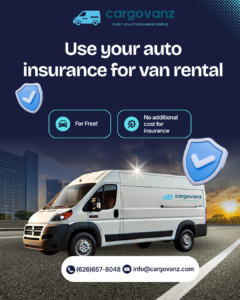
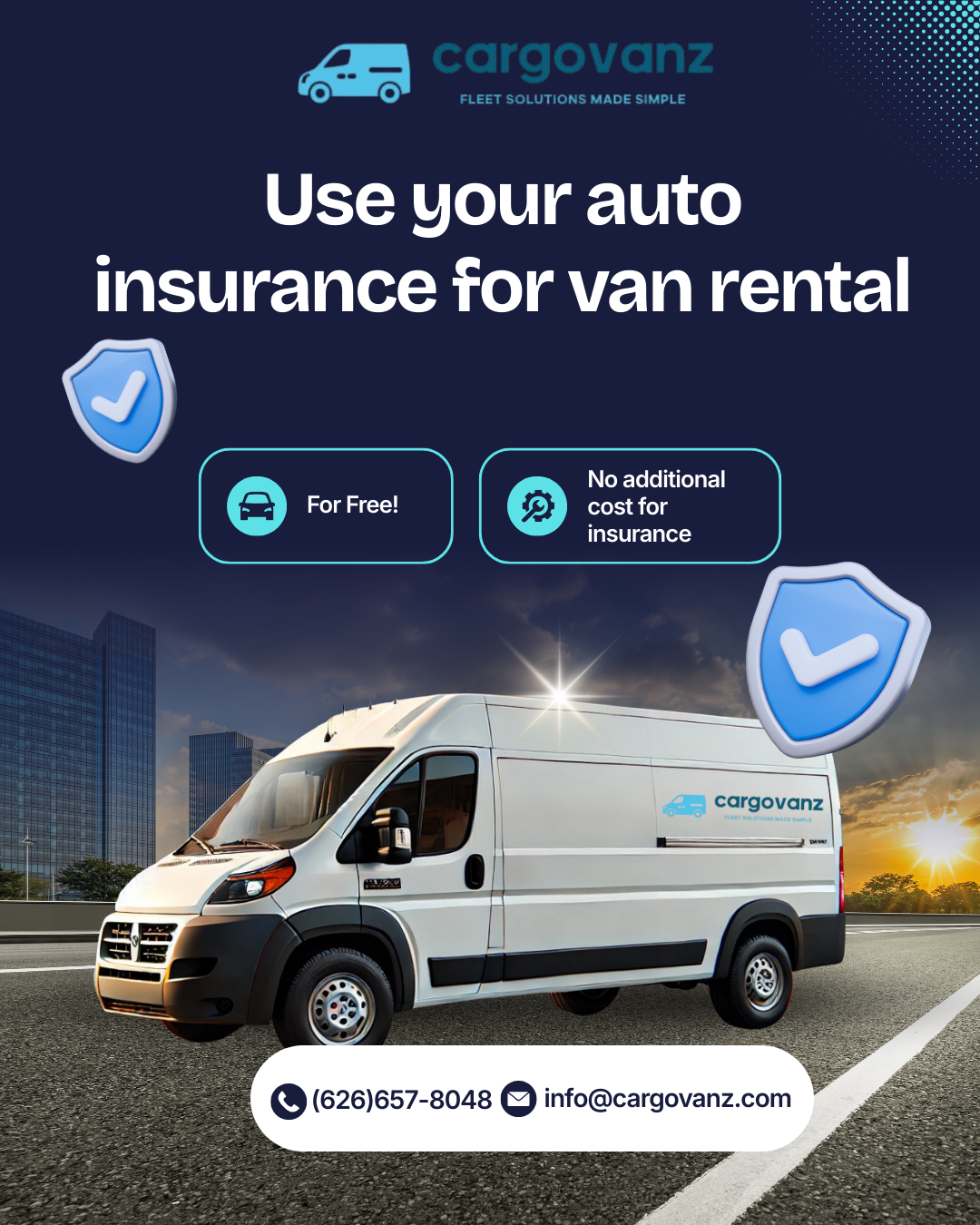
In this guide on Cargo Van Rental Insurance Explained, we’ll break everything down in simple, clear terms. The good news? In many cases, your existing personal auto insurance policy already covers rental vehicles — including cargo vans — meaning you may not need to pay extra for additional coverage.
Let’s dive in and make it crystal clear.
How Personal Auto Insurance Applies to Rental Vans
Many renters are surprised to learn that their personal auto insurance policy often extends to rental vehicles.
What Is Personal Auto Insurance Coverage?
Personal auto insurance typically includes:
- Liability coverage
- Collision coverage
- Comprehensive coverage
- Uninsured/underinsured motorist protection
According to the Insurance Information Institute, most standard personal auto policies extend coverage to rental vehicles used for personal purposes. That means if you rent a cargo van temporarily, your insurance may treat it like your own car.
However, coverage depends on your specific policy. Always verify with your insurance provider before renting.
Does Insurance Cover Rental Vehicles Automatically?
In many cases, yes — if:
- The rental is for personal use
- The vehicle falls within size and weight limits defined in your policy
- You carry collision and comprehensive coverage on your own vehicle
When a Cargo Van Qualifies as a Rental Car
Cargo vans used for:
- Moving homes
- Transporting personal items
- Short-term temporary use
are usually considered standard rental vehicles under most personal auto policies.
This means your policy becomes effective during the rental period, just like it would if you were driving your own car.
Why We Require Proof of Insurance
To ensure a smooth and cost-effective rental experience, we require proof of insurance for your personal vehicle.
Here’s why.
Protecting the Customer
By verifying that you have active insurance coverage:
- You avoid paying for unnecessary rental insurance.
- You stay protected in case of accidents.
- You maintain consistent coverage under your existing provider.
It’s a win-win.
Protecting the Rental Company
Proof of insurance ensures:
- There’s active liability coverage.
- Claims can be properly filed if needed.
- Financial responsibility is clearly established.
This protects both parties and keeps rental costs lower for everyone.
What Happens If an Accident Occurs
Accidents are rare — but they can happen. So what then?
Filing a Claim Through Your Insurance
If damage occurs:
- Report the incident immediately.
- Contact your insurance provider.
- File a claim just as you would for your personal vehicle.
Your insurer handles the claim according to your policy terms.
How This Avoids Extra Rental Charges
Because your personal insurance is active:
- You don’t need to purchase extra coverage.
- There’s no additional rental insurance fee.
- There’s typically no change to your premium simply because you rented a van.
Your insurance only responds if there’s an actual claim.
Benefits of Using Your Own Insurance
Choosing to rely on your personal auto insurance offers major advantages.
No Additional Rental Fees
By providing proof of insurance:
- You avoid paying daily insurance add-ons.
- Your rental cost stays lower.
- You only pay for the van and nothing extra.
No Impact on Your Premium (In Most Cases)
Simply renting a cargo van does not increase your insurance rate.
Your premium is only affected if:
- A claim is filed
- You’re found at fault
- The claim exceeds your deductible
Otherwise, your policy remains unchanged.
Policy Limitations and Exclusions
Always check:
- Vehicle weight limits
- Rental duration limits
- Geographic restrictions
Each insurance company sets its own terms.
Frequently Asked Questions
1. Do I have to buy insurance from the rental company?
Not necessarily. If your personal auto insurance covers rental vehicles, you may not need additional coverage.
2. Why do you require proof of insurance?
We verify that you have active coverage so claims can be properly processed if needed.
3. Will renting a cargo van raise my insurance premium?
No. Renting alone does not affect your premium. Only an at-fault claim might.
4. What documents count as proof of insurance?
An insurance card, digital proof from your insurer’s app, or a declarations page showing active coverage.
5. What if I don’t have personal auto insurance?
You may need to purchase rental coverage or obtain alternative protection before renting.
6. Does insurance cover damage to other vehicles?
Liability coverage typically covers damage you cause to others, up to your policy limits.
Conclusion: Smart, Simple, and Cost-Effective Coverage
Understanding Cargo Van Rental Insurance Explained helps you make smarter rental decisions. By using your existing personal auto insurance, you can:
- Avoid unnecessary rental fees
- Maintain consistent coverage
- Keep your rental simple and affordable
We require proof of insurance not to complicate things — but to protect you and ensure a smooth experience.
Before renting, always confirm your coverage with your provider. A quick call can give you peace of mind and save money.